Divino Femenino

(English Below)

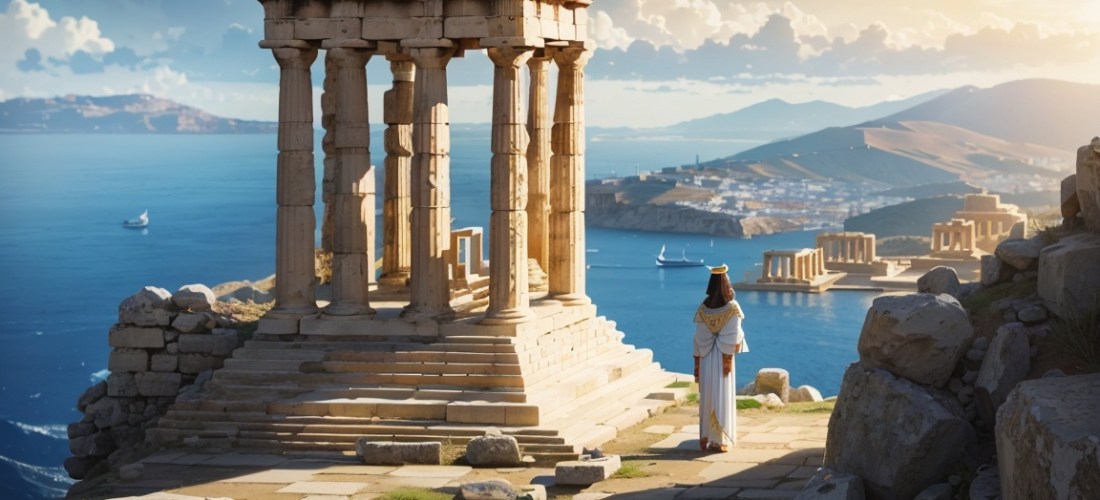
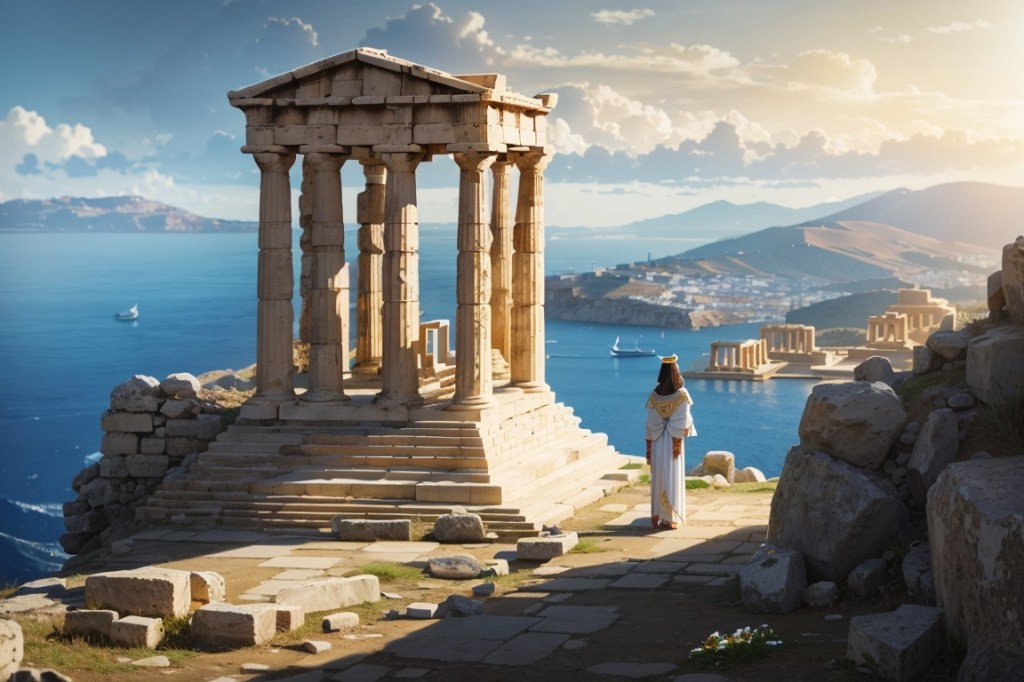
En la cuna de la democracia la que recibía el mensaje de los Dioses era una mujer. Decisiones políticas importantes se tomaban en base a lo dicho por el Oráculo de Delfos. Dirán superstición algunos, pero lo cierto es que el consejo de la sacerdotisa salvó a Atenas en las dos más grandes invasiones que sufrió.


Hoy, necesitamos esa sabiduría, conectada a la intuición y a la naturaleza, que el racionalismo relativista desterró y aplastó, perdiéndose así una parte de la conciencia. Y hoy, se debe recuperar.
Necesitamos templos del sagrado femenino en los centros de las ciudades, en las grandes alamedas, para hacerle recordar a las personas su importancia.


Ahora con la decadencia de las religiones la mujer debe reclamar el poder que le corresponde por derecho de nacimiento. Liderar la espiritualidad regenerativa de la sociedad. Por conciencia, evolución, naturaleza, y por el importante papel que tendrá en la restauración.

………..

In the cradle of democracy, it was a woman who received the message of the gods. Important political decisions were made based on the pronouncements of the Oracle of Delphi. Some may call it superstition, but the truth is that the priestess’s counsel saved Athens during the two greatest invasions it suffered.

Today, we need that wisdom, connected to intuition and nature, which relativistic rationalism banished and crushed, thus losing a part of our consciousness. And today, it must be recovered.

We need temples to the sacred feminine in city centers, along grand avenues, to remind people of its importance.

Now, with the decline of religions, women must reclaim the power that is rightfully theirs by birthright. They must lead the regenerative spirituality of society. For the sake of consciousness, evolution, nature, and the important role they will play in its restoration.

Her eyes / Sus ojos

Sus ojos son océano y cielo,


Su sonrisa la vía láctea,


Su respiración el viento del desierto,


En cada paso ella pone al mundo de cabeza,


Es la fuerza creativa,


Existe en todo,


En las partículas de mi corazón,


En las estrellas,


En cada respiro.


………..

English:

Her eyes are ocean and Sky,


Her smile the milky way,


Her breath the wind of the desert,


In every step she turns the world upside down,


Is the creative force,


Exists in everything,


In the particles of my heart,


In the stars,


In every breath.
.

Italian:

I suoi occhi sono océano e cielo,


Il suo sorriso via lattea,


Il suo respiró il viento del deserto,


Ad ogni paso capovolge il mondo,


È la Forza creativa,


Esiste un tutto,


Nelle particelle del mío cuore,


Nelle stelle,


In ogni respiro.

{«data»:{«pictureId»:»b68d4a46c6e44a8d8bfb8b49d6e56b7b»,»appversion»:»4.5.0″,»stickerId»:»»,»filterId»:»»,»infoStickerId»:»»,»imageEffectId»:»»,»playId»:»»,»activityName»:»»,»os»:»android»,»product»:»lv»,»exportType»:»image_export»,»editType»:»image_edit»,»alias»:»»},»source_type»:»vicut»,»tiktok_developers_3p_anchor_params»:»{\»source_type\»:\»vicut\»,\»client_key\»:\»aw889s25wozf8s7e\»,\»picture_template_id\»:\»\»,\»capability_name\»:\»retouch_edit_tool\»}»}

Gratitud en el corazón.

Spanish/ English:

Gracias, gracias, gracias,
Es la única palabra que está en el corazón, esa es la frecuencia, la energía, la intención, que resuena en el espacio, la única que puede florecer y dar fruto.
Gracias, gracias, gracias,
Por la percepción, Por el asombroso equipamiento que traemos,
Los sentidos que nos permiten ver, escuchar, sentir todo esto, la Conciencia, que nos regala la percepción;
Si te detienes, y respiras profundo, puedes ver, puedes escuchar, Todo en la naturaleza canta.
La capacidad de despertar en nosotros, La capacidad de florecer,
De solo decir Te Amo, te amo en cada pensar, en cada sentir, en cada palabra que se escribe, en cada trazo de pintura,
En medio de caos o revoluciones agradezco este instante,
La percepción, el regalo que tenemos de percibir, este instante, este segundo.
Siempre hay una Fuerza en nosotros, y con nosotros,
Que nos dice: estoy contigo, estoy contigo.

English:

Thanks, thanks, thanks,
Is the only word in the heart,
That’s the frecuency, energy, intention,That resonantes in space,
The only one that can flourish and give fruit.
Thanks, thanks, thanks,
For this perception, For the amazing equipment we have, Senses, that allows to see, hear and feel all this;
Consciousness, a gift of perception,
If you stop, stay still, breath, you can see, You can hear, everything in nature is singing.
We can awake all this in us, The ability of flourish, To say I love you, in every thought, In every emotion, un every word that we write, in every painting; In mids of chaos o revolution i give thanks for this instant, Perception, the gift of perception,
This instant, this second.
There’s always a Force in us,
And with us,
Who says: i’m with you, i’m with you.

La Alquimia del Trazo: La Virtud detrás del Lienzo

(English versión below)

El arte, especialmente el arte abstracto, suele malinterpretarse como un arrebato de azar, un goteo accidental o una mancha fortuita sobre la superficie. Sin embargo, quienes habitamos el estudio sabemos que la verdadera obra no nace del accidente, sino de una disposición interior cultivada en el silencio. De los momentos que nadie ve, de las preguntas, de las luchas internas, del paso de los días cultivando el corazón interior.

Crear, y en el caso especifico de Pintar es, en esencia, un acto de ordenamiento espiritual. Cada capa de color, cada veladura que busca una textura y cada decisión sobre la opacidad de un pigmento es un ejercicio de claridad. No buscamos solo una estética externa; buscamos manifestar una armonía que ya debe existir, o estar gestándose, dentro de nosotros.


«No se puede considerar feliz a alguien que carezca de prudencia, justicia, fortaleza y templanza. Circunstancias fortuitas o de azar pueden dar bienes exteriores al alma. Pero las personas no son justas ni prudentes por efecto de azar, sino por un hábito y una disposición interior».


Al igual que en la cita de Aristóteles, la felicidad y la paz en el en la vida y en el arte no son golpes de suerte. Es un camino, un largo recorrido de experiencias, alegrías y dolores, placeres y dolores, y el encuentro del equilibrio entre todo eso. Son las luchas internas, los logros que alcanzamos en el corazón. El auténtico avance surge de la fortaleza para sostener la mirada ante el lienzo en blanco y de la templanza para no dejarse arrastrar por cualquier impulso sino por el impulso auténtico que nace de ese corazón y ese espíritu sin interferencias mentales ni juicios. El desarrollo de la espiritualidad a través de la pintura es un hábito diario; es el despertar consciente a una plenitud que no depende de los aplausos externos, sino de la coherencia entre nuestro ser y el trazo.

Cuando conectamos con esa energía profunda —esa fuerza vital que fluye como el océano—, el arte deja de ser un objeto decorativo para convertirse en un mapa de nuestra libertad. Solo a través de esa disciplina interna logramos que la obra respire, ofreciendo al espectador no solo una imagen, sino un refugio de serenidad y luz.

English Version:

Art, especially abstract art, is often misinterpreted as a random outburst, an accidental drip, or a chance stain on a surface. However, those of us who inhabit the studio know that true art is born not from accident, but from an inner disposition cultivated in silence. From unseen moments, from questions, from internal struggles, from the passing of days nurturing the inner heart.

Creating, and in the specific case of painting, is essentially an act of spiritual ordering. Each layer of color, each glaze seeking texture, and each decision regarding the opacity of a pigment is an exercise in clarity. We do not seek merely an external aesthetic; we seek to manifest a harmony that must already exist, or be gestating, within us.

«One cannot consider someone happy who lacks prudence, justice, fortitude, and temperance. Fortuitous or chance circumstances may bring external goods to the soul. But people are not just or prudent by chance, but by habit and an inner disposition.»

Just as in Aristotle’s quote, happiness and peace in life and in art are not strokes of luck. It is a path, a long journey of experiences, joys and sorrows, pleasures and pains, and the discovery of balance among them all. It is the inner struggles, the achievements we attain in our hearts. True progress arises from the strength to gaze upon the blank canvas and from the temperance to not be swept away by any impulse, but rather by the authentic impulse that springs from that heart and spirit, free from mental interference or judgment. The development of spirituality through painting is a daily habit; it is the conscious awakening to a fullness that does not depend on external applause, but on the coherence between our being and the brushstroke.

When we connect with that profound energy—that vital force that flows like the ocean—art ceases to be a decorative object and becomes a map of our freedom. Only through that internal discipline do we allow the work to breathe, offering the viewer not just an image, but a refuge of serenity and light.

Interser y Arte Abstracto: Una Conexión Visual


El Interser y la Abstracción:

La belleza del arte no reside en lo que vemos, sino en lo que nos hace sentir y recordar. Al contemplar una obra abstracta, nos enfrentamos a una verdad que maestros como Thich Nhat Hanh —quien caminó junto a Martin Luther King defendiendo la dignidad humana— nos enseñó con tanta claridad: nada está separado. Todo está interrelacionado, eso es el: InterSer.

La Estética del Interser

En el arte visual, especialmente en la abstracción, las formas no existen de manera aislada. Un trazo de azul depende del blanco que lo rodea; una textura rugosa cobra sentido solo en contraste con la superficie lisa. Esta es la manifestación visual del Interser. Todo esta relacionado en un ecosistema total. Cada parte con el Todo.

Nuestra existencia, al igual que una composición pictórica, es un ecosistema de conexiones. En una época dominada por la «inflación del ego» por las apariencias y la tiranía de esas apariencias en línea, el arte abstracto nos invita a mirar hacia adentro. Nos pide soltar la lógica racionalista para conectar con la compasión y la humildad. Nos pide ir más allá de la mente hacia esas regiones misteriosas que habitan en nosotros.

De la Materia a la Transformación

El mito del siglo de la lógica nos ha hecho creer en finales definitivos, pero tanto el arte como la espiritualidad nos demuestran que todo se transforma.

  • En el lienzo: El pigmento se convierte en luz.
  • En el espíritu: El dolor, observado a través de la meditación, se transforma en fortaleza y paz.

Cuando comprendemos que no hay una separación real entre el observador y la obra, el miedo desaparece. El arte se convierte entonces en un ejercicio de libertad: una vía para alcanzar esa vida noble y simple donde la creatividad florece sin las cadenas del prestigio o el poder.

El Arte como Refugio de Claridad

Regresar a la eternidad es, en esencia, regresar al presente. A través del color y la forma no figurativa, podemos experimentar la «Apotéosis de la Libertad». Es un despertar a la plenitud del Ser, donde la energía femenina y la fluidez de la vida se encuentran, recordándonos que somos gotas en un océano, pero también el océano mismo en una gota.

«Una vida simple es una vida creativa; y una vida creativa es un camino directo hacia la claridad y felicidad.»

El Horizonte que Detuvo mi Corazón: Venecia y el Inicio de una Nueva Mirada. Venice in the Heart.

Spanish / English below:

Por Lucio Carbeli F B C | Verano 2026.

Dicen que uno no vuelve de un viaje siendo la misma persona que se fue. Y en mi reciente travesía por Europa durante los últimos meses de 2025, confirmé que el arte no solo nace de la técnica, sino de la capacidad de asombro.

Recorrí Italia, caminé por la historia de Roma, sentí la fuerza de Florencia y la brisa de la costa. Pero hubo un lugar donde el tiempo, literalmente, se detuvo para mí: Venecia.

No fue solo la arquitectura o la historia. Fue la luz.

La Obra: Un Testimonio de Amor y Luz

Hoy quiero presentarles una obra muy especial, la única pieza que ha nacido —hasta ahora— de esta profunda inmersión en el viejo continente. La he titulado «Venecia en el corazón: memorias de su horizonte y aguas brillando bajo el sol».

Esta acuarela de gran formato sobre papel de algodón es fruto de mis vivencias en esa hermosa y mágica ciudad. Va más allá de la mera memoria o postal turística. Es la captura de un sentimiento. Es la memoria física de cómo mi corazón se aceleró al ver los rayos del sol «besando» y acariciando las aguas de la gran laguna al atardecer.

En ella verán mi Sol Rojo —mi firma, mi fuego interno— dialogando con la serenidad de una ciudad que parece flotar. Verán la soledad del observador y el silencio de las góndolas. Pero sobre todo, verán el intento de un artista por atrapar ese brillo efímero que me cambió por dentro.

Entre anécdotas de película oscura y Góndolas:

Esta capacidad para apreciar la majestuosidad de la laguna no nace de la nada; surge de tener los ojos del alma limpios tras haber atravesado mi propia «noche oscura». Años atrás, recorrí el desierto de la confusión, angustia y el sufrimiento. Pero con meditación y comprensión interior salí de eso con mas claridad y fortaleza. Fue ese viaje interior, forjado en la meditación y la introspección, el que sanó mi mirada y me trajo a este despertar. Donde hoy mi alma está llena de arte, creatividad y energía. Hoy, no pinto desde la carencia, sino desde una iluminación serena. Solo quien ha habitado la sombra puede reconocer y entregar al mundo esta alegría y estos colores con absoluta transparencia.

Pero el viaje también fue una aventura vibrante que le dio pulso a mi pincel. Venecia me regaló momentos de surrealismo puro: desde perderme en los canales durante una noche profunda, cuando en una noche salí a caminar y un grupo de japoneses me invitaron a navegar en una góndola y salté un puente para subirme. Así navegando en la oscura noche para compartir su travesía mágica, hasta un encuentro digno de una novela negra. En un callejón, una tarde unos hombres de la mafia italiana me tomaron con fuerza del brazo, gritando y diciéndome que me llevarían con el capo de la mafia, pero ellos me habían confundido con alguien a quien buscaban. Uuuhhhh, así me Salvé de aquella confusión por milímetros, y esa descarga de adrenalina solo reafirmó mi gratitud por estar vivo y presente bajo este sol.

Así, entre el riesgo y la calma mística, se gestó esta nueva etapa. El buscador que regresó de su propia oscuridad ahora camina por los puentes de Europa traduciendo cada latido en arte. Lo que ven en este papel de algodón es el resultado de una sanación convertida en regalo: una ventana hacia la plenitud para todo aquel que, como yo, busque un horizonte donde el corazón, por fin, pueda descansar.

Un Cambio de Piel

Esta obra marca un punto de inflexión. El viaje me ha regalado una nueva escala, una necesidad de formatos más amplios y una respiración distinta en mi pintura.

Aunque «Venecia en el corazón» es la protagonista de este momento, siento que algo se ha desbloqueado en mi interior. Esta experiencia ha sembrado semillas que están germinando en el estudio.

No puedo adelantarles qué forma tomarán las próximas creaciones. Quizás vuelvan a ser abstracciones, o quizás surjan nuevos horizontes; pero lo que sí puedo prometerles es que todo lo que viene traerá consigo esta nueva profundidad. Traerá la huella de este cambio interior, de esta expansión que sentí al mirar el horizonte lejano.

Les invito a contemplar esta obra no solo como un paisaje de Italia, sino como el inicio de un nuevo capítulo en mi universo creativo.

Y ustedes, que opinan? Puede un viaje ayudarnos a inspirarnos a crear?.

Se vienen sorpresas. El viaje interior apenas comienza.

Lucio Carbeli


English Version:

«Venice in My Heart: Memories of Its Horizon and Waters Sparkling Under the Sun«

They say you never return from a trip the same person you left with. And on my recent journey through Europe in 2026, I confirmed that art is born not only from technique, but from the capacity for wonder.

I traveled through Italy, walked through the history of Rome, felt the power of Florence and the coastal breeze. But there was one place where time, literally, stood still for me: Venice.

It wasn’t just the architecture or the history. It was the light.

The Artwork: A Testimony of Love and Light

Today I want to present a very special work, the only piece that has emerged—so far—from this profound immersion in the Old Continent. I have titled it «Venice in My Heart: Memories of Its Horizon and Waters Sparkling Under the Sun.»

This large-format watercolor on cotton paper is the fruit of my experiences in that beautiful and magical city. It goes beyond mere memory or a tourist postcard. It is the capture of a feeling. It is the physical memory of how my heart raced as I watched the sun’s rays «kiss» and caress the waters of the great lagoon at sunset.

In it, you will see my Red Sun—my signature, my inner fire—conversing with the serenity of a city that seems to float. You will see the solitude of the observer and the silence of the gondolas. But above all, you will see an artist’s attempt to capture that ephemeral brilliance that changed me from within.

Between Dark Film Anecdotes and Gondolas:

This ability to appreciate the majesty of the lagoon didn’t come from nowhere; it arose from having the eyes of the soul cleansed after traversing my own «dark night.» Years ago, I wandered through the desert of confusion, anguish, and suffering. But with meditation and inner understanding, I emerged from it with greater clarity and strength. It was that inner journey, forged in meditation and introspection, that healed my vision and brought me to this awakening. Where today my soul is filled with art, creativity, and energy. Today, I don’t paint from a place of lack, but from a serene illumination. Only those who have dwelled in the shadows can recognize and offer the world this joy and these colors with absolute transparency.

But the journey was also a vibrant adventure that gave pulse to my brush. Venice gifted me moments of pure surrealism: from getting lost in the canals during a deep night, to when one night I went for a walk and a group of Japanese people invited me to ride in a gondola, and I jumped over a bridge to get on. Thus, navigating through the dark night to share his magical journey, until an encounter worthy of a noir novel. In an alley, one afternoon, some Italian mafia men grabbed my arm tightly, shouting and telling me they were taking me to the mafia boss, but they had mistaken me for someone they were looking for. Whoa, I escaped that misunderstanding by millimeters, and that adrenaline rush only reaffirmed my gratitude for being alive and present under this sun.

Thus, between risk and mystical calm, this new stage was conceived. The seeker who returned from his own darkness now walks the bridges of Europe, translating each heartbeat into art. What you see on this cotton paper is the result of a healing transformed into a gift: a window to fullness for all who, like me, seek a horizon where the heart can finally rest.

A Shedding of Skin

This work marks a turning point. The trip has gifted me with a new perspective, a need for larger formats, and a different rhythm in my painting.

Although «Venice in My Heart» is the focus of this moment, I feel that something has been unlocked within me. This experience has sown seeds that are now germinating in the studio.

I cannot reveal what form my next creations will take. Perhaps they will return to abstractions, or perhaps new horizons will emerge; But what I can promise you is that everything that comes next will bring with it this new depth. It will bear the mark of this inner change, of this expansion I felt gazing at the distant horizon.

I invite you to contemplate this work not only as a landscape of Italy, but as the beginning of a new chapter in my creative universe.

And what do you think? Can a journey inspire us to create?

Surprises are coming. The inner journey has only just begun.

— Lucio Carbeli

El Lienzo como Campo de Batalla: Heroísmo del Artista

Spanish/english:

«You gave me peace in a lifetime of war» – le dice Aquiles a Briseida en una hermosa escena de Troya. Un guerrero que, en medio del fragor de la batalla, descubre que el amor puede ser más poderoso que la espada. Pero esta transformación épica no ocurre solo en los campos de batalla antiguos; sucede cada día en los estudios de artistas de todo el mundo, donde el lienzo se convierte en su propia Troya personal.

El Lienzo como Campo de Batalla

Cada mañana, cuando el artista se enfrenta al lienzo en blanco, libra una guerra silenciosa pero épica. Como Aquiles empuñando su lanza, el artista toma su pincel, pero no siempre con el corazón dispuesto para la batalla. Porque somos humanos, y los humanos tenemos días grises, mañanas donde el ánimo está quebrado sin razón aparente, tardes donde la inspiración parece haberse ido lejos y la energía ni el clima acompañan..

Es precisamente en estos momentos cuando cada pincelada se convierte en un acto heroico. Continuar pintando cuando el alma duele, cuando la motivación ha huido como los troyanos tras las murallas, cuando ni siquiera sabemos por qué nos sentimos vacíos. El artista debe romper esa inercia, vencer la resistencia interna y dar esa primera pincelada. Y luego otra. Y otra más.

Como los guerreros en Troya que continuaban luchando día tras día, sin saber si verían el amanecer, el artista continúa creando, pincelada a pincelada, construyendo su obra en medio de la batalla personal contra el desánimo, la duda, la oscuridad interior.

La Guerra de los Colores

En una obra abstracta, los colores libran su propia guerra épica. Los rojos sangran en el lienzo como la pasión y la furia de Aquiles, representando la intensidad del combate emocional. Los azules se extienden como la melancolía del mar Egeo, cargados de nostalgia y pérdida. Los negros avanzan como la noche troyana, pesados con la sombra del destino.

Pero cuando estos colores se encuentran, cuando el rojo toca el azul y nace el púrpura, sucede algo mágico. Como cuando Aquiles conoce a Briseida, la guerra se transforma en algo más profundo. El púrpura del amor cambia toda la composición, reorganiza las fuerzas en el lienzo, crea una nueva armonía que trasciende el conflicto original.

Los amarillos aparecen como destellos de esperanza, como la aurora que promete el fin de la batalla. Los verdes emergen como la vida que renace después de la destrucción. Y así, color tras color, pincelada tras pincelada, el artista no solo pinta: alquimiza sus emociones en guerra hacia una nueva síntesis.

El Encuentro con la Musa: La Briseida Interior

Pero la verdadera transformación sucede cuando el artista encuentra su «Briseida» interior. No es solo inspiración; es algo más profundo y arquetípico. Como Beatrice guiando a Dante a través del Paraíso, como Atenea inspirando sabiduría a los héroes griegos, como Arwen ofreciendo esperanza a Aragorn en las tierras sombrías de la Tierra Media.

Esta fuerza femenina arquetípica representa la intuición creativa, la sabiduría que trasciende la técnica, la conexión con lo sagrado del acto creativo. Cuando el artista la encuentra e integra, deja de pintar para la gloria, para el reconocimiento, para probar algo al mundo. Como Aquiles transformado por el amor, comienza a crear desde un lugar diferente: desde la paz interior, desde la conexión con algo más grande que él mismo.

Ya no es el guerrero que busca honor en la batalla; se convierte en el poeta que encuentra belleza en la vulnerabilidad, en el canal que permite que algo divino fluya a través de sus manos hacia el lienzo.

La Paz en el Acto Creativo

Cuando esto sucede, cada pincelada se convierte en una oración, cada color en una palabra de un lenguaje sagrado que solo el corazón comprende. El estudio se transforma: ya no es un campo de batalla, sino un templo donde se celebra la unión entre lo humano y lo divino, entre el dolor y la belleza, entre la guerra y la paz.

El artista abstracto, como Aquiles con Briseida, descubre que en medio de una vida de luchas internas, de días difíciles, de batallas contra la duda y el desánimo, existe una fuerza que puede dar paz: el acto puro de creación, la entrega total al momento presente donde solo existen el pincel, el color y la respiración.

Y al final, cuando contemplamos una obra abstracta verdaderamente lograda, no vemos solo colores y formas. Vemos el registro de una transformación, la huella de un guerrero que encontró su paz, la evidencia de que el amor – por el arte, por la vida, por la belleza – puede vencer cualquier guerra interior.

«Me diste paz en una vida de guerra» – susurra el artista a su obra terminada, sabiendo que en cada pincelada heroica, en cada color que se atrevió a mezclar, en cada momento que eligió crear a pesar del dolor, encontró su propia Briseida: la fuerza eterna del arte que transforma el sufrimiento en belleza.*

…………

English version:

«The canvas as a battlefield: heroism of the artist»

«You gave me peace in a lifetime of war,» Achilles tells Briseis in a beautiful scene from Troy. A warrior who, amidst the heat of battle, discovers that love can be mightier than the sword. But this epic transformation doesn’t only happen on ancient battlefields; it happens every day in artists’ studios around the world, where the canvas becomes their own personal Troy.

The Canvas as a Battlefield

Every morning, when the artist faces the blank canvas, he wages a silent but epic war. Like Achilles wielding his spear, the artist takes up his brush, but not always with his heart ready for battle. Because we are human, and humans have gray days, mornings where spirits are broken for no apparent reason, afternoons where inspiration seems to have vanished and neither energy nor the weather is in sync.

It is precisely in these moments that every brushstroke becomes a heroic act. To continue painting when the soul aches, when motivation has fled like the Trojans after the walls, when we don’t even know why we feel empty. The artist must break that inertia, overcome internal resistance, and make that first brushstroke. And then another. And another.

Like the warriors at Troy who continued fighting day after day, not knowing if they would see the dawn, the artist continues creating, brushstroke by brushstroke, building his work in the midst of a personal battle against discouragement, doubt, and inner darkness.

The War of Colors

In an abstract work, colors wage their own epic war. Reds bleed onto the canvas like the passion and fury of Achilles, representing the intensity of emotional combat. Blues spread like the melancholy of the Aegean Sea, heavy with nostalgia and loss. Blacks advance like the Trojan night, heavy with the shadow of destiny.

But when these colors meet, when red touches blue and purple is born, something magical happens. Like when Achilles meets Briseis, war transforms into something deeper. The purple of love changes everything. The composition reorganizes the forces on the canvas, creating a new harmony that transcends the original conflict.

The yellows appear as glimmers of hope, like the dawn promising the end of the battle. The greens emerge like life reborn after destruction. And so, color after color, brushstroke after brushstroke, the artist doesn’t just paint: he alchemizes his warring emotions toward a new synthesis.

The Encounter with the Muse: The Inner Briseid

But the true transformation happens when the artist finds his inner «Briseid.» It’s not just inspiration; it’s something deeper and archetypal. Like Beatrice guiding Dante through Paradise, like Athena inspiring wisdom to the Greek heroes, like Arwen offering hope to Aragorn in the shadowlands of Middle-earth.

This archetypal feminine force represents creative intuition, the wisdom that transcends technique, the connection to the sacredness of the creative act. When the artist finds and integrates it, he stops painting and For glory, for recognition, to prove something to the world. Like Achilles transformed by love, he begins to create from a different place: from inner peace, from a connection with something greater than himself.

He is no longer the warrior who seeks honor in battle; he becomes the poet who finds beauty in vulnerability, in the channel that allows something divine to flow through his hands to the canvas.

Peace in the Creative Act

When this happens, each brushstroke becomes a prayer, each color a word in a sacred language that only the heart understands. The studio is transformed: no longer a battlefield, but a temple where the union between the human and the divine, between pain and beauty, between war and peace, is celebrated.

The abstract artist, like Achilles with Briseis, discovers that in the midst of a life of internal struggles, of difficult days, of battles with doubt and discouragement, there is a force that can bring peace: the pure act of creation, the total surrender to the present moment where only the brush, the color and breath.

And in the end, when we contemplate a truly accomplished abstract work, we don’t just see colors and shapes. We see the record of a transformation, the imprint of a warrior who found his peace, evidence that love—for art, for life, for beauty—can conquer any inner war.

«You gave me peace in a life of war,» the artist whispers to his finished work, knowing that in every heroic brushstroke, in every color he dared to mix, in every moment he chose to create despite the pain, he found his own Briseis: the eternal force of art that transforms suffering into beauty.

El 4 de Julio y el arte. Una reflexión sobre la independencia creativa.

Spanish/ English:

Fuegos Artificiales y Pinceladas: Reflexión sobre la Independencia Creativa

Cada 4 de julio, cuando las primeras chispas de luz estallan contra el cielo nocturno, presenciamos algo más que una celebración patriótica. Esas explosiones de rojo, blanco y azul que se dispersan en el aire son, en esencia, arte abstracto en movimiento: formas puras, colores intensos, gestos efímeros que comunican emociones sin necesidad de palabras.

La Primera Declaración de Independencia

El 4 de julio de 1776, cincuenta y seis hombres firmaron un documento que cambiaría el mundo. Cada firma era un acto de soberanía individual que construía algo colectivo: la libertad de una nación. Pero lo que muchos no consideran es que este acto fue, fundamentalmente, un gesto creativo. Los fundadores no siguieron un manual; improvisaron, experimentaron, crearon algo que nunca antes había existido.

La Independencia del Pincel

Casi dos siglos después, artistas como Mondrian, Pollock, Rothko y De Kooning harían algo similar con sus pinceles. Cada gota de pintura que salpicaba sobre el lienzo era su propia «declaración de independencia» del arte tradicional. Al igual que los fundadores rechazaron las reglas impuestas desde Europa, Pollock y sus contemporáneos rechazaron las academias que dictaban cómo debía verse el arte «verdadero».

Los colores rojo, blanco y azul trascendieron la bandera estadounidense para convertirse en símbolos universales. Mondrian los usó para expresar equilibrio y armonía; Rothko para evocar lo sublime y lo espiritual. Kandinsky para lo mas trascendente. Cada artista abstracto que tomó un pincel ejerció su propia soberanía creativa, decidiendo qué significaba cada trazo, cada mancha, cada explosión de color.

La Libertad en la Era Digital

Hoy, mientras algoritmos predicen nuestros gustos y las redes sociales moldean nuestras percepciones, la independencia creativa se vuelve más relevante que nunca. En un mundo donde nuestros datos son minados y nuestras decisiones son influenciadas por códigos invisibles, cada acto de creación auténtica se convierte en un pequeño acto de resistencia.

El artista frente al lienzo en blanco enfrenta el mismo desafío que los fundadores frente a la página en blanco de la historia: crear algo nuevo, algo propio, algo que no existía antes. En una época donde la inteligencia artificial puede generar imágenes en segundos, la pincelada humana —imperfecta, intencional, cargada de emoción— se vuelve un acto de afirmación de nuestra humanidad.

El Cielo como Lienzo

Así que esta noche, cuando mires hacia el cielo y veas explotar esos fuegos artificiales, recuerda que estás presenciando arte abstracto en su forma más pura. Cada explosión es un gesto único e irrepetible, como cada pincelada de un maestro. Y al igual que la independencia política, la independencia creativa no es un logro del pasado, sino una conquista diaria que debemos renovar con cada decisión, con cada trazo, con cada momento en que elegimos crear en lugar de simplemente consumir.

La verdadera celebración del 4 de julio no está solo en recordar una independencia ganada hace 248 años, sino en ejercer nuestra propia soberanía creativa cada día, manteniendo viva la llama de la libertad en cada gesto artístico que nos atreve a ser únicos en un mundo que constantemente trata de uniformarnos.

Porque al final, tanto la libertad como el arte se basan en la misma premisa revolucionaria: que cada ser humano tiene el derecho inalienable a crear su propio significado y sentido en el mundo.

Y Tú, cuáles son tus actos creativos? deja tu opinión.

………..

English version:

Fireworks and Brushstrokes: A Reflection on Creative Independence

Every Fourth of July, when the first sparks of light burst against the night sky, we witness more than just a patriotic celebration. Those explosions of red, white, and blue that disperse in the air are, in essence, abstract art in motion: pure forms, intense colors, ephemeral gestures that communicate emotions without words.

The First Declaration of Independence

On July 4, 1776, fifty-six men signed a document that would change the world. Each signature was an act of individual sovereignty that built something collective: the freedom of a nation. But what many fail to consider is that this act was, fundamentally, a creative gesture. The Founders didn’t follow a manual; they improvised, experimented, and created something that had never existed before.

The Independence of the Brush

Almost two centuries later, artists like Mondrian, Pollock, Rothko, and de Kooning would do something similar with their paintbrushes. Every drop of paint that splashed onto the canvas was its own «declaration of independence» from traditional art. Just as the Founders rejected the rules imposed by Europe, Pollock and his contemporaries rejected the academies that dictated what «true» art should look like.

The colors red, white, and blue transcended the American flag to become universal symbols. Mondrian used them to express balance and harmony; Rothko to evoke the sublime and the spiritual; Kandinsky for the most transcendent. Every abstract artist who picked up a brush exercised their own creative sovereignty, deciding what each stroke, each stain, each explosion of color meant.

Freedom in the Digital Age

Today, as algorithms predict our tastes and social media shapes our perceptions, creative independence becomes more relevant than ever. In a world where our data is mined and our decisions are influenced by invisible codes, every act of authentic creation becomes a small act of resistance.

The artist before a blank canvas faces the same challenge as the founders before the blank page of history: to create something new, something of their own, something that never existed before. In an age where artificial intelligence can generate images in seconds, the human brushstroke—imperfect, intentional, charged with emotion—becomes an act of affirmation of our humanity.

The Sky as a Canvas

So tonight, when you look up at the sky and see those fireworks explode, remember that you are witnessing abstract art in its purest form. Each explosion is a unique and unrepeatable gesture, like every brushstroke of a master. And like political independence, creative independence is not an achievement of the past, but a daily conquest that we must renew with every decision, with every stroke, with every moment we choose to create rather than simply consume.

The true celebration of the Fourth of July is not only about remembering an independence won 248 years ago, but about exercising our own creative sovereignty every day, keeping the flame of freedom alive in every artistic gesture that dares us to be unique in a world that constantly tries to make us uniform.

Because in the end, both freedom and art are based on the same revolutionary premise: that every human being has the inalienable right to create their own meaning and sense in the world.

Tell me about your creative acts, and your creative independence. Give your opinion.

Art and freedom
Art, freedom, independence

Cómo Sócrates Encontró la Paz en Conflictos

Cómo Sócrates encontró Paz.

How Socrates found peace.

Socrates encontró la Paz en medio de los conflictos de su época.

Sócrates sirvió como soldado de Atenas, y le tocó participar en un combate en la isla de Potidaea, donde experimentó lo mas crudo.

Después de un combate en Potidaea, fue tan intenso lo que vivió que entró en profunda meditación, se dice que se quedó toda una noche y un día de pie mirando el horizonte en la playa, observando el océano, buscando ciertas respuestas, y ahí llegó a una súbita iluminación.

La enseñanza que captó en ese momento fué grande, y de ahí nos trajo la frase ‘Nada puede dañar tu alma’, es nos enseñó. Lo importante es tu conciencia, si la sigues y eres íntegro, no importa lo que haga el mundo, tu esencia sigue en pie.

Al final en un evento y juicio muy extraño Fue condenado por la misma democracia a la muerte. Pero su enseñanza de vida quedó, así que fue y es inmortal.
………..

English version:


Socrates found Peace in midst of conflicts of his time. Socrates served as a soldier for Athens, and participated in a combat in the island of Potidaea, where he experienced the harshest nd terrible aspects of combat.

This experience was very impactful on him. After a Battle in Potidaea he entered in deep Meditation, it is said that he stood still on foot, looking the horizon for hours, looking the ocean.from all night to the other day. He became enlightened and reach some answers.

The lesson he grasped at that moment was profound, and from there he gave us the phrase «Nothing can harm your soul.» What matters is your conscience. If you follow it and are whole, no matter what the world does, your essence remains intact.

His teaching is «nothing can hurt your soul».

In the end, in a very strange event and trial, he was sentenced to death by the same democracy. But his life lesson remained, so he was and Is immortal.

………..

Socrate trovó la pace in mezzo al mondo. Entrò in profonda meditazione e ha trovato risposte. il suo insegnamento è che nulla può danneggiare la tua anima.

Exploring Love and Hope in ‘What Dreams May Come’

Explorando el Amor y la Esperanza en «Mas allá de los sueños»

🇬🇧🇪🇦


«What dreams my come» with Robie Williams, if you remember, it is the story of a doctor who passes away, appears in a transcendent world, and inhabits a Painting that his wife was painting when he passes away. It is a kind of paradise. This film talks about the mystery of Consciousness, about a state that is beyond pain and death, and especially about creativity to create the worlds that we want. The state of Presence, of being there in simple things, of not being so much in the mind but resting in consciousness, in states that give us calm, energy and creativity to achieve what we want to create.

This film is an inspiration for love, transcendence, art and creativity.


«Más allá de los sueños» con Robie Williams, si la recuerdan es la historia de un médico que fallece, aparece en un mundo trascendente, y habita en una Pintura que su esposa estaba pintando cuando él fallece. Es una especie de paraíso. Esta película habla del misterio de la Conciencia, de un estado que está más allá del dolor y la muerte, y en especial de la creatividad para crear los mundos que nosotros queramos. El estado de Presencia, de estar ahí en las cosas simples, de no estar tanto en la mente sino reposar en la conciencia, en estados que nos dan calma, energía y creatividad para lograr lo que nosotros queremos crear.

Esta película es inspiradora para el amor, la trascendencia, el arte y la creatividad.

#art #arte #cinema #colors #colores #faith #fé #esperanza #hope #eternity